
My current niche in teaching is undergraduate general education core courses. The core values of my teaching philosophy are relevance and reflection, drawing on teaching techniques aligned with Constructivist and Progressivist teaching philosophies. Delivering well designed, engaging course experiences for undergraduate students across programs and within the MIS major is my jam. I continually work to better understand student motivations, refine student learning outcomes and closely align them with course design, experiment with assessment options, and create assignments that allow students to tap into intrinsic motivation and level up on their learning by exploring topics that personally interest them.
Courses Taught at UNO
ITIN 1010: Activating Innovation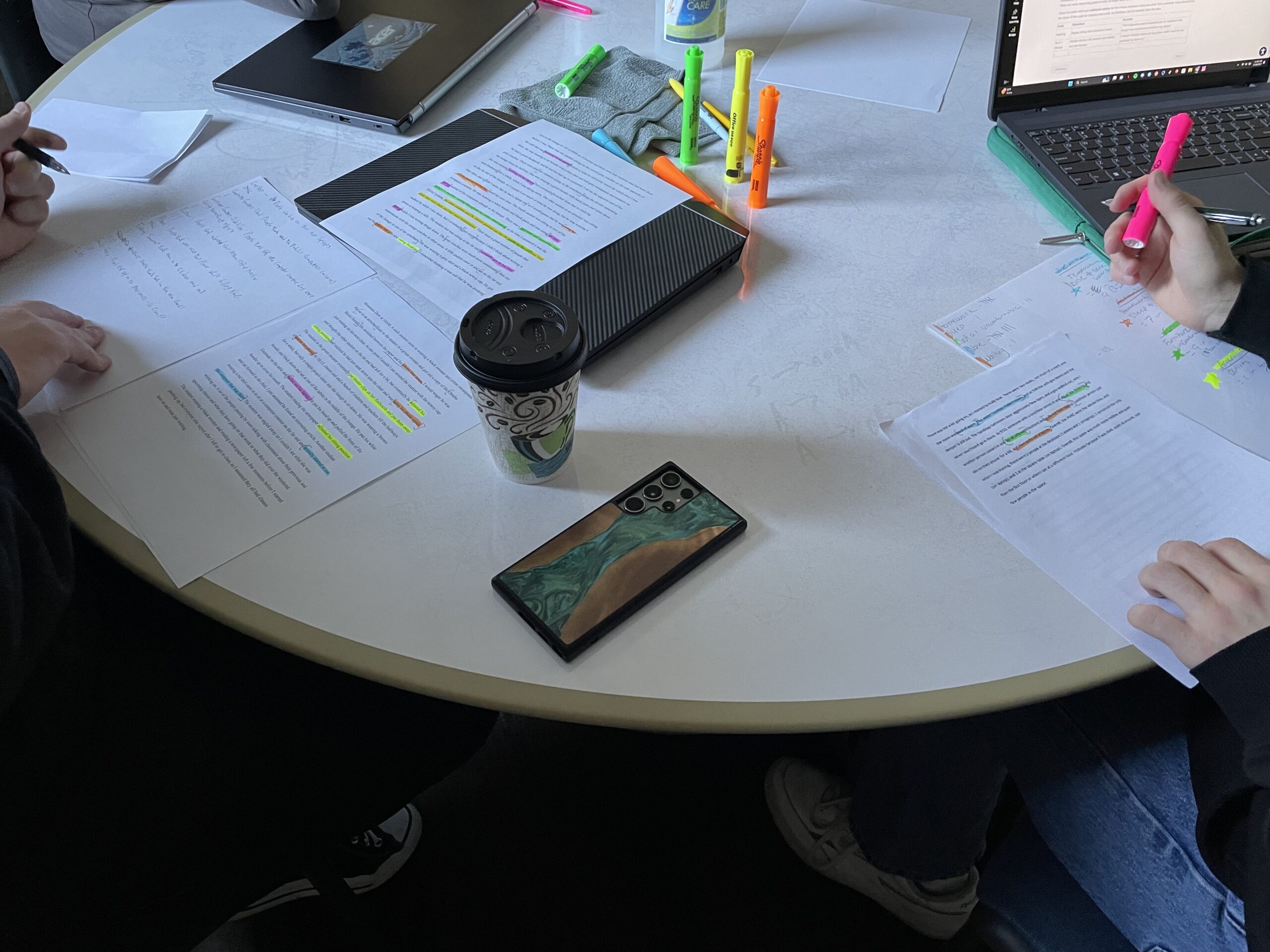
This was actually a course in ethnographic inquiry skills, which came as a surprise to most students! In Fall 2023, we did a service learning project with the CIST Dean’s Office to gather and analyze data about how students and others use public study lounges in the Peter Kiewit Institute building to help support remodeling plans. Students learned classic ethnographic observation and memo writing skills, co-designed survey and interview questionnaires, conducted semi-structured interviews, practiced deductive and inductive content analysis, and developed evidence-based findings and recommendations for upgrading the PKI study lounges.
CIST 3110: IT Ethics
This is my favorite course to teach, and I’m continually updating the content. I have taught it in asynchronous online, synchronous online, and in person formats. I redesigned many aspects of it for a gen-ed revitalization effort and the class now centers on the enduring question: “How does information technology reflect the values and ideals of modern society?” I use sci-fi short stories written by diverse authors as “case studies” of core ethics concerns in the no-cost course materials. Students choose their own focus for a scaffolded Signature Assignment analyzing the legal and ethical considerations of a particular technology for a specific audience. Topics include algorithmic bias, AI and policy, crime and security, privacy, online speech and moderation, whistleblowing and professional ethics, augmentation and enhancement of human bodies, intellectual property, design ethics, labor and gig work, and sustainability and green IT.
ISQA 3420: Managing in a Digital World
I have made multiple major updates to this course since 2017, including adopting an open textbook and updating all of the instructional materials and in-class activities. Students routinely tell me that this course helps them to better understand how organizations work and gain new insight into workplace dynamics, even for those with managerial experience! In 2023, students wrote original teaching cases, choosing either a fictional account focused on a technology management problem or a non-fiction research-based profile of a tech company. They enjoyed the freedom to focus on problems and organizations that interest them, and created cases with compelling examples of common challenges in tech management.
ISQA 8600: From Data to Decisions
As a project-based service learning course on basic data science skills, this is a popular elective for MIS students. I offered the course as a “special topics” offering (ISQA 4000/8086) twice before its official approval in 2021. Students develop project plans, identify answerable questions they can address using their client’s data, use GitHub to manage project assets, apply and document data cleaning techniques, and use R to analyze and visualize their analyses. 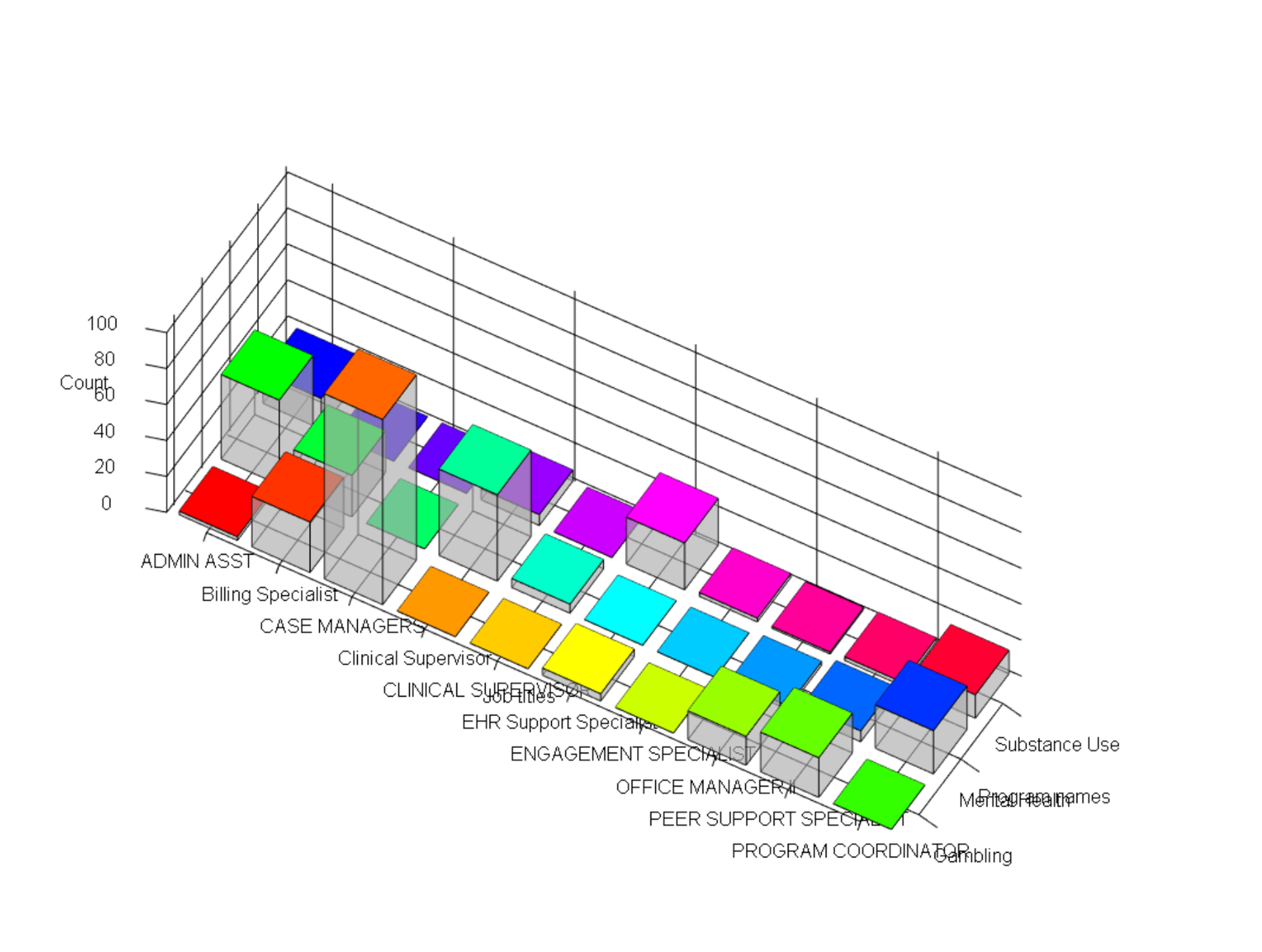 Project clients have included organizations like the National Park Service, Xerxes Society, and Morton Arboretum. In 2019, the community partner for the entire class was Heartland Family Services, who shared de-identified data on mental health service provision for the students to interrogate. The graph here won the class “worst plots contest” which is a fun way for students to demonstrate that they know what to avoid when designing effective information visualizations.
Courses Taught at UMD
At the UMD iSchool, I taught courses across the graduate programs.
INFM 600: Information Environments
This core course provided an overview-level introduction to the field of information management. I completely redesigned the course based on the Data Carpentry model and implemented service learning projects, including a partnership with Howard County government on enhancing civic engagement. Following this redesign, the MIM program manager saw a 46% increase in students’ ability to meet a key program learning outcome.
INST 728R: Data Management
I developed a new course on research data management targeted to graduate students in the MSLIS program which attracted students from across the university. Students completed individual service learning projects in which they consulted with nonprofit organizations and researchers to identify solutions for their data management needs, with deliverables including budget advising and recommended timelines to implement updated data management plans. Course topics included key practices related to FAIR data principles, data assessment and accession, data documentation, preservation, and data policies and governance.
Teaching Materials
My class sessions often include small group breakouts for both in-person and remote synchronous course formats. Designing and structuring activities that are both engaging and accomplish the learning goals can be a challenge, but I’ve found very few resources for undergraduate class activities — so I’m sharing mine, licensed under CC BY 4.0. For more about the way I set up and use these templates, please see this post.
ISQA 3420 class activity templates include 12 activities focused on: entrepreneurship, strategy, planning, controls, ethics, international business, organizational environments, organizational structures, teamwork and performance evaluation, and organizational culture.